
The Science Behind Flavor: How to Enhance Your Cooking
MC
Understanding the Basics of Flavor
Flavor is a fascinating blend of taste, aroma, and texture, creating a symphony for the senses. Understanding these components is crucial for enhancing your culinary creations. Taste involves the five basic sensations: sweet, salty, sour, bitter, and umami. Aroma, on the other hand, adds depth and complexity, often defining a dish's personality.
To truly elevate your cooking, consider how these elements interact. For instance, balancing sweetness with a hint of acidity can transform a simple dish into something extraordinary. Learning to play with these components will open up a world of culinary possibilities.

The Role of Aroma
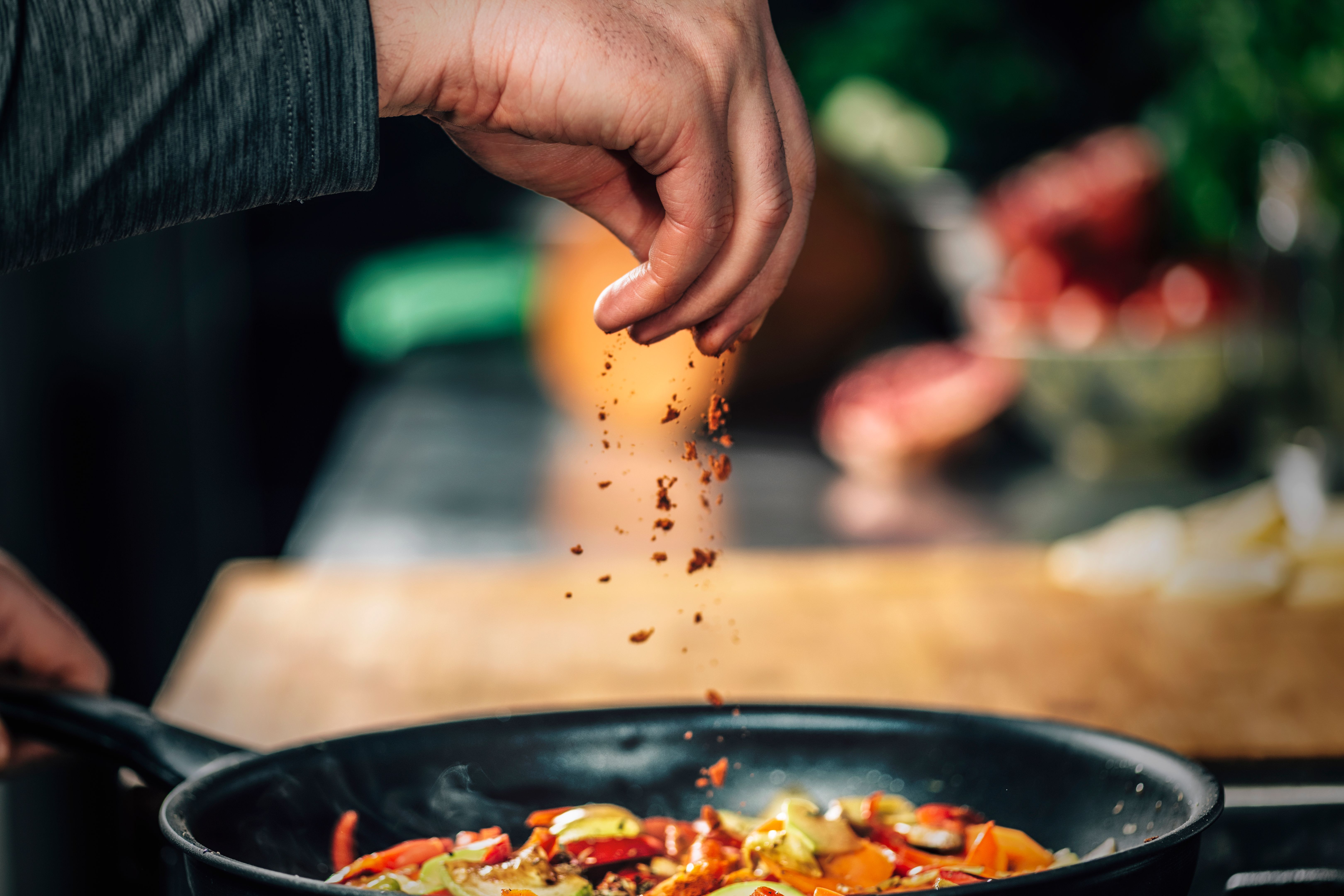
Aroma significantly impacts how we perceive flavor. Our sense of smell is directly linked to our taste buds, and often, it is the aroma that creates anticipation before the first bite. Using fresh herbs, spices, and aromatic vegetables such as garlic and onions can enhance this sensory experience.
Consider incorporating techniques like toasting spices or using aromatics at different stages of cooking. These methods release essential oils, enriching the dish's overall flavor profile. Experimenting with these techniques can lead you to discover new layers of flavor in familiar recipes.
Texture: The Unsung Hero
While taste and aroma often take center stage, texture plays an equally important role in flavor perception. The crunch of fresh vegetables or the creaminess of a well-made sauce can make or break a dish. Understanding how to manipulate texture allows you to create more satisfying meals.
Consider the contrast between soft and crispy elements or how a velvety sauce can complement a hearty protein. Incorporating a variety of textures not only enhances flavor but also adds interest and excitement to your dishes.

Using Temperature to Your Advantage
Temperature can dramatically impact the flavors in your food. Cooking methods such as roasting, grilling, and braising can bring out different flavors in the same ingredient. For example, roasting vegetables caramelizes their natural sugars, adding sweetness and depth.
Cold dishes, on the other hand, can highlight freshness and acidity. Understanding how temperature affects flavor allows you to strategically use different cooking methods to achieve the desired taste and texture.
Embracing Umami
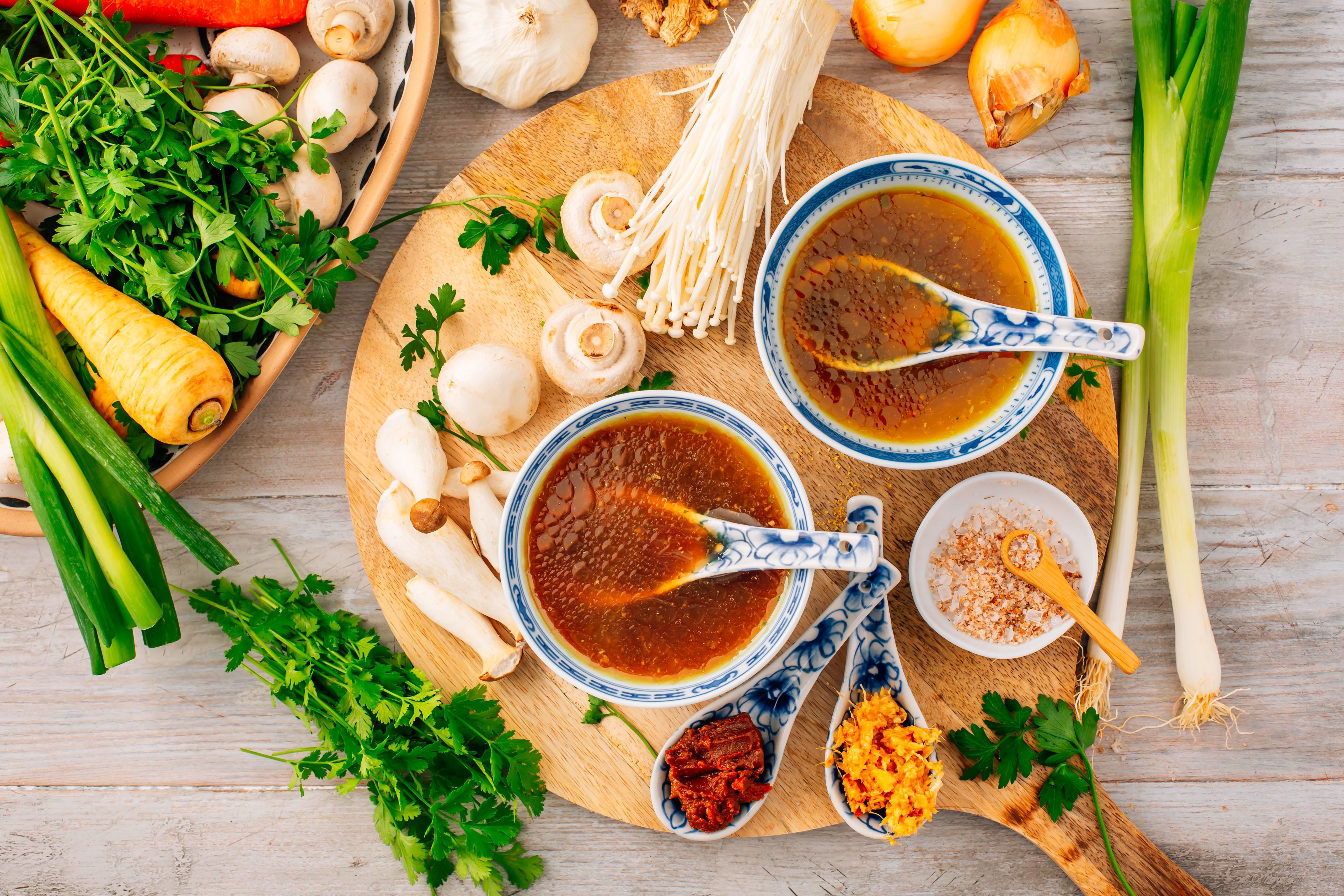
Umami, often described as a savory or meaty taste, is a key component in creating rich, satisfying dishes. Ingredients like tomatoes, mushrooms, soy sauce, and aged cheeses are excellent sources of umami. Incorporating these elements can add depth and complexity to your meals.
Experiment with umami-rich ingredients to see how they can transform your cooking. A sprinkle of Parmesan or a dash of soy sauce can elevate a dish from ordinary to extraordinary.
Final Thoughts
Enhancing your cooking through an understanding of flavor involves a delicate balance of taste, aroma, texture, and temperature. By mastering these elements, you can elevate simple ingredients into unforgettable culinary experiences. Remember, cooking is an art, and the science of flavor is your palette.
Whether you're a seasoned chef or a home cook, exploring the science behind flavor is a journey that promises endless discovery and delicious rewards. Enjoy the process, and let your creativity shine in every dish you prepare.