Exploring the Future of Food: AI Trends in Culinary Arts
MC
Introduction to AI in Culinary Arts
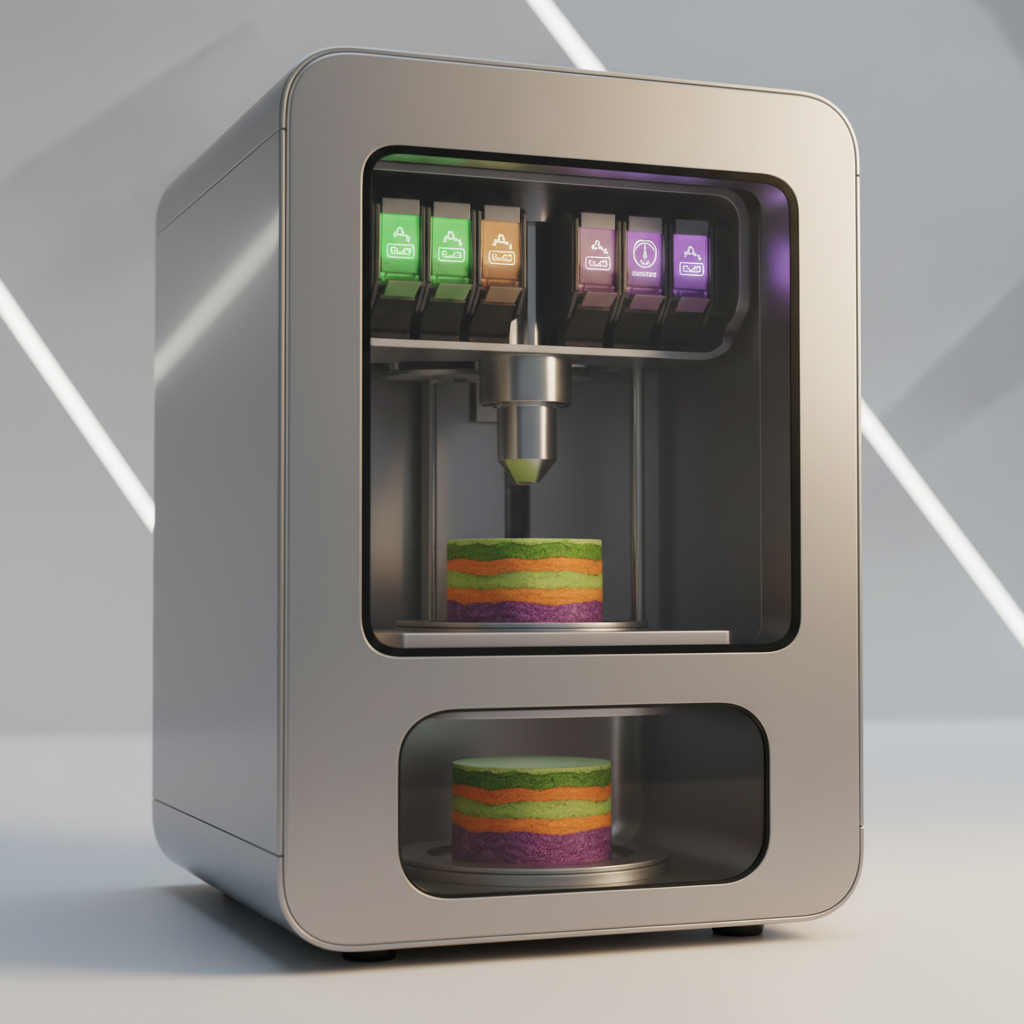
The integration of artificial intelligence in various industries has been nothing short of transformative, and the culinary world is no exception. From automating kitchen processes to creating new recipes, AI is reshaping how we think about food. This exploration delves into the emerging trends of AI in the culinary arts, highlighting its impact on the future of food.
AI's ability to analyze vast amounts of data allows chefs and food businesses to innovate in ways previously unimaginable. Whether it's enhancing flavor profiles or ensuring sustainability, AI is set to revolutionize the kitchen landscape.
AI-Powered Recipe Development
One of the most exciting applications of AI in the culinary arts is its role in recipe development. AI algorithms can analyze existing recipes, understand flavor combinations, and suggest new ingredients. This capability enables chefs to experiment with novel dishes, pushing the boundaries of traditional cooking.
Companies are leveraging AI to create personalized recipes that cater to individual dietary preferences and restrictions. By inputting specific parameters, such as dietary needs or favorite flavors, AI can generate customized meal plans that align with personal tastes and health goals.

Enhancing Efficiency in the Kitchen
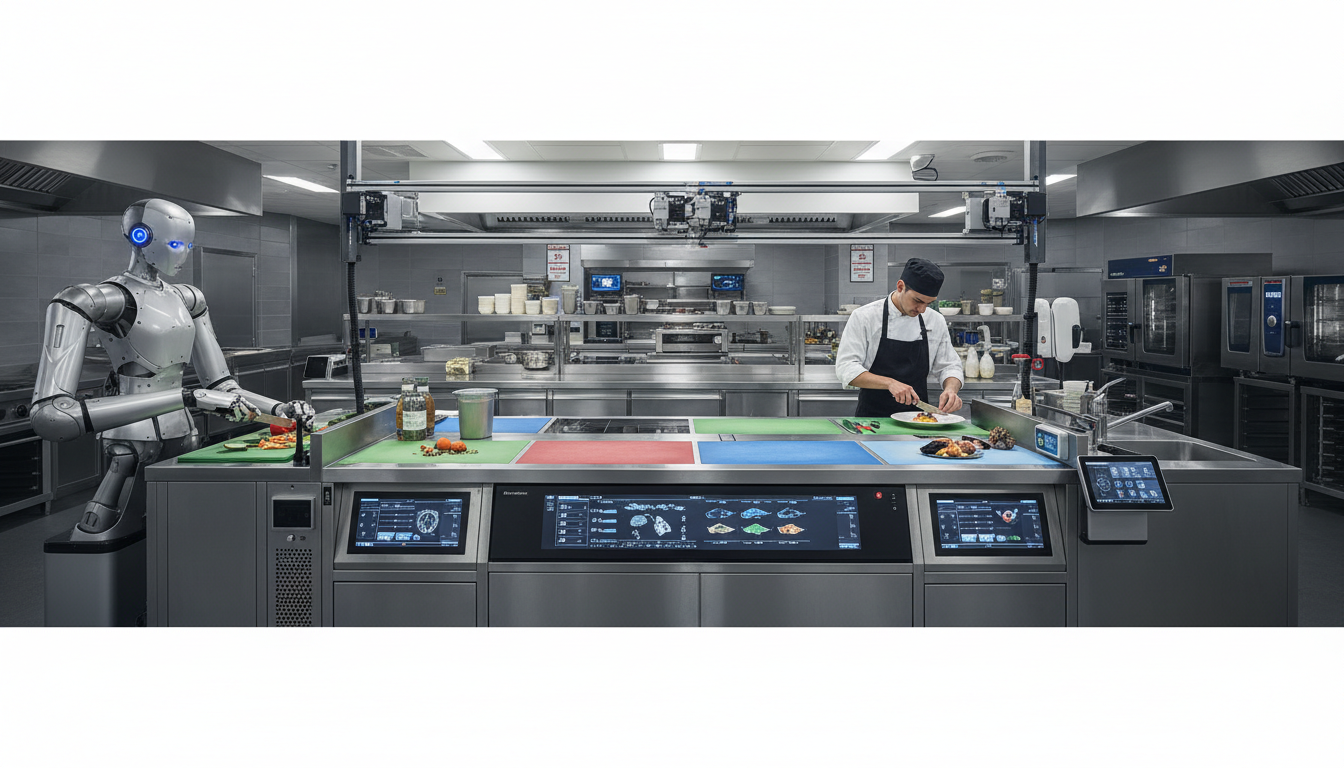
AI is also making kitchens more efficient by automating repetitive tasks. From chopping vegetables to precise cooking techniques, AI-driven robots can perform these tasks with speed and accuracy, freeing up chefs to focus on creativity and presentation.
For busy restaurants, AI systems can manage inventory, predict demand, and reduce food waste. These systems analyze trends and customer preferences, ensuring that the kitchen is stocked with the right ingredients at the right time.

AI and Sustainability
Sustainability is a growing concern in the food industry, and AI is playing a crucial role in addressing these challenges. By analyzing data on food sourcing and production, AI can identify more sustainable practices and help reduce the carbon footprint of culinary operations.
For consumers, AI can provide insights into the environmental impact of their food choices. Apps powered by AI can suggest eco-friendly alternatives, encouraging more sustainable consumption patterns.
The Future of AI in Culinary Arts
As AI technology continues to evolve, its potential applications in the culinary arts are virtually limitless. From virtual taste tests to AI-driven food critics, the future promises a fusion of technology and gastronomy that will continue to surprise and delight food enthusiasts.
With ongoing advancements, AI is poised to redefine our relationship with food, offering new ways to explore flavors, enhance nutrition, and promote sustainability. The culinary world stands on the brink of an exciting new era, fueled by the power of artificial intelligence.