
Debunking Myths About AI in the Kitchen
MC
Introduction to AI in the Kitchen
Artificial Intelligence (AI) has become a buzzword in various industries, and the kitchen is no exception. Many people are excited about the potential of AI to revolutionize how we prepare and enjoy food. However, several myths and misconceptions about AI in the kitchen persist. Let's explore and debunk some of these myths to give you a clearer understanding of what AI can truly offer.
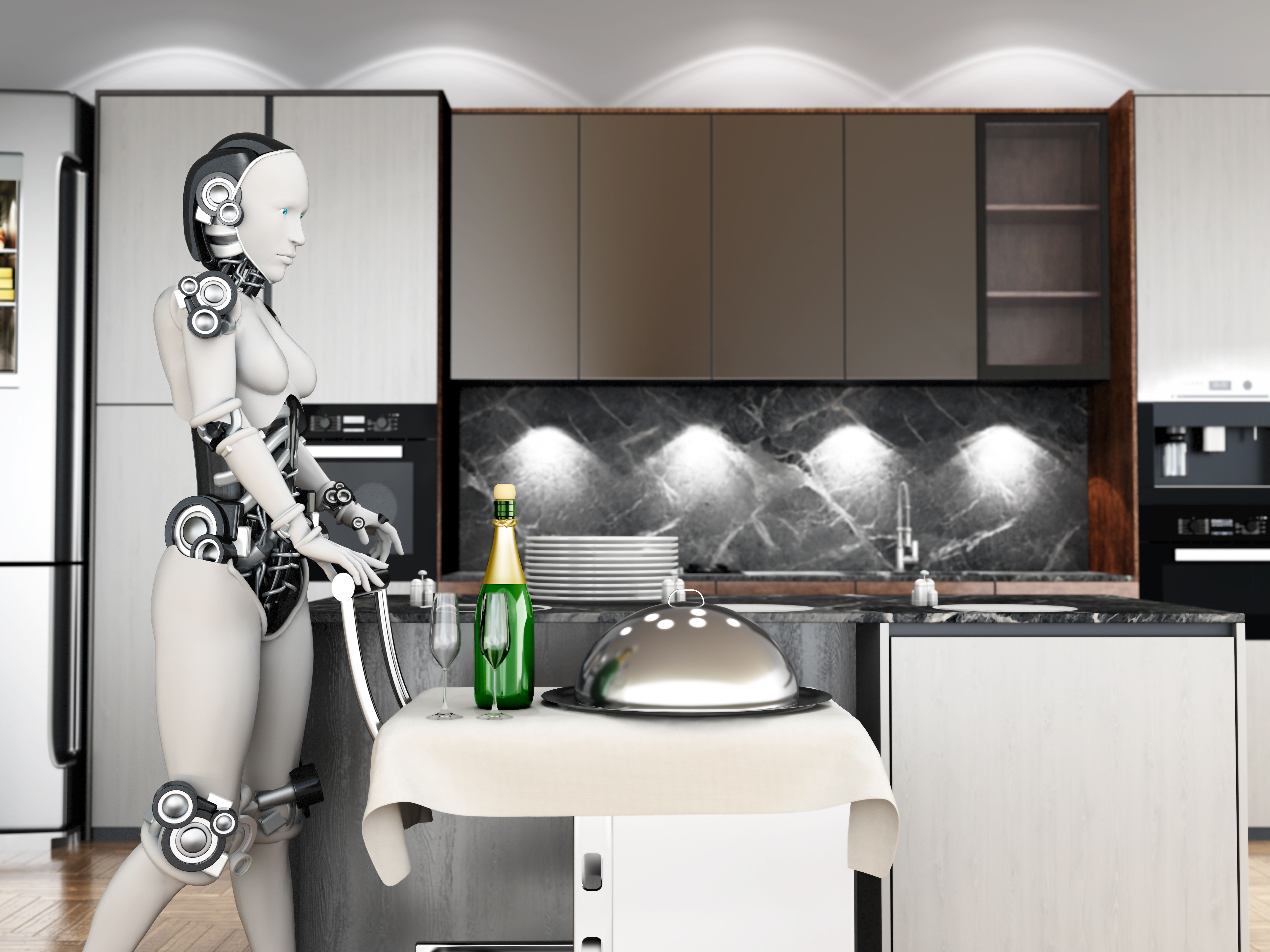
Myth 1: AI Will Replace Chefs
One of the most common myths is that AI will replace chefs entirely. While AI can assist in the kitchen, it is not designed to replace human creativity and expertise. Chefs bring an artistic and personal touch that AI cannot replicate. Instead, AI can handle repetitive tasks, allowing chefs to focus more on innovation and presentation.
AI can help with tasks such as chopping, mixing, and even predicting ingredient combinations that might work well together. This means chefs can spend more time on crafting unique dishes and enhancing the dining experience.
Myth 2: AI-Cooked Food Lacks Flavor
Another misconception is that food prepared with AI lacks the flavor and quality of human-cooked meals. This myth stems from a misunderstanding of how AI functions in the kitchen. AI does not cook entirely on its own; it assists chefs by providing data-driven insights and precision.
For example, AI can analyze recipes and suggest optimal cooking times and temperatures, ensuring that dishes are cooked to perfection. The chef remains in control of the flavor profile and final presentation.

Myth 3: AI is Too Expensive for Everyday Use
Many assume that AI technology is prohibitively expensive and only accessible to high-end restaurants. However, AI tools are becoming increasingly affordable and accessible for everyday use. From smart kitchen appliances to AI-driven recipe apps, there are options available at various price points.
Home cooks can benefit from AI by using smart ovens that adjust cooking times automatically, or apps that suggest recipes based on the ingredients they have on hand. These technologies can save time and reduce food waste, making them a worthwhile investment for many households.
Myth 4: AI Limits Creativity
Some believe that relying on AI in the kitchen stifles creativity. On the contrary, AI can be a powerful tool for inspiration and innovation. By analyzing vast amounts of culinary data, AI can suggest novel flavor combinations and techniques that chefs might not have considered.

AI can also assist in developing new recipes by predicting how different ingredients interact. This allows chefs to experiment with confidence, knowing they have data-backed insights to guide their creativity.
The Real Benefits of AI in the Kitchen
When used effectively, AI can enhance the culinary experience by improving efficiency, consistency, and creativity. It allows chefs to focus on what they do best: creating delicious and memorable dishes. As technology continues to evolve, the role of AI in the kitchen will only grow, offering new opportunities for both professional chefs and home cooks.
By debunking these myths, we hope to encourage more people to explore the possibilities of AI in the kitchen and embrace the ways it can enhance our culinary journeys.