
Debunking Common Cooking Myths: What Really Works in the Kitchen
MC
The Truth About Searing Meat
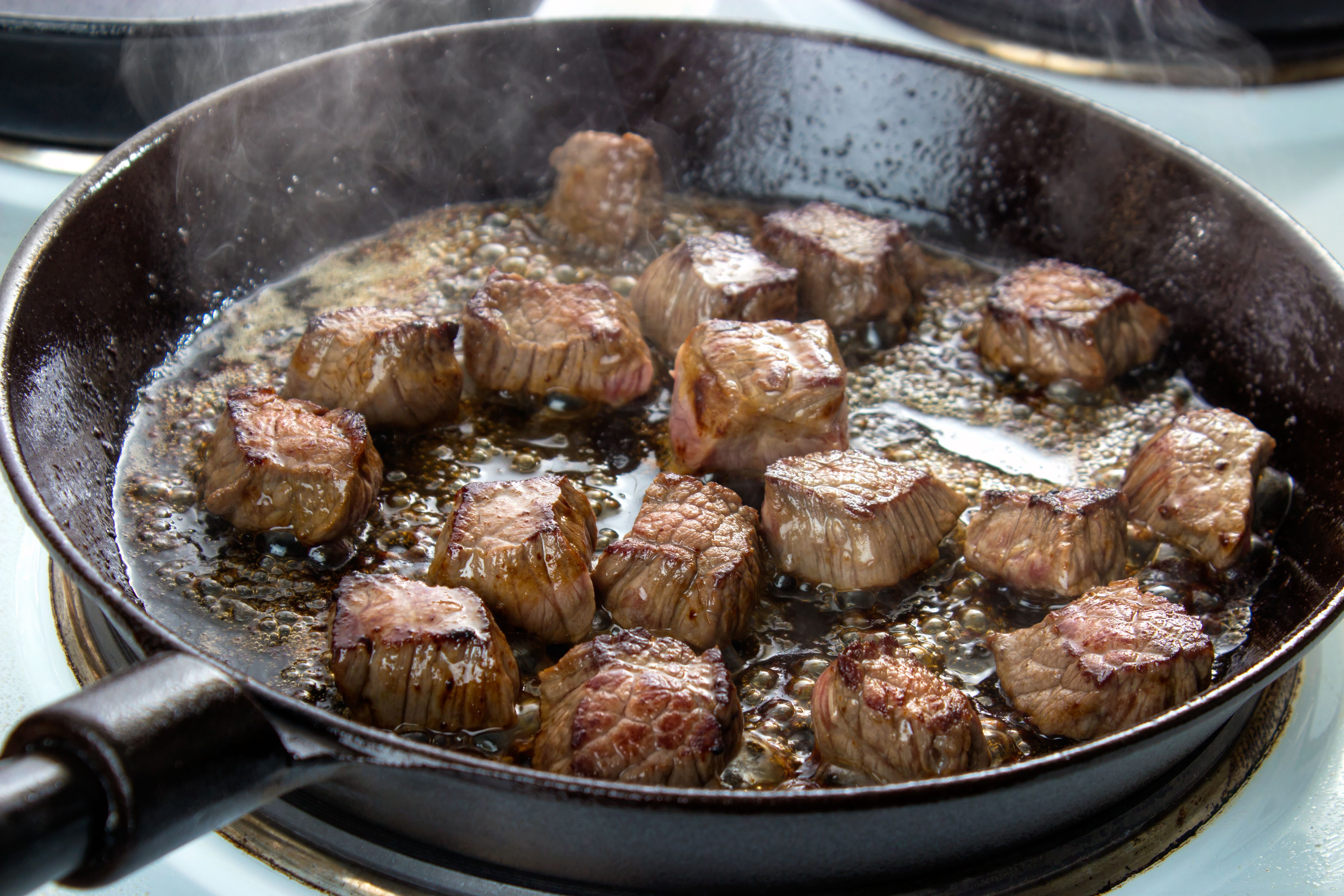
One of the most persistent cooking myths is that searing meat seals in the juices. This concept has been debunked by numerous chefs and scientists. In reality, searing is primarily about flavor. The Maillard reaction, which occurs when meat is browned, enhances taste and aroma, but it doesn't prevent moisture loss. So, while searing is important for taste, it shouldn't be relied upon to keep your meat juicy.
Utilizing Salt Properly
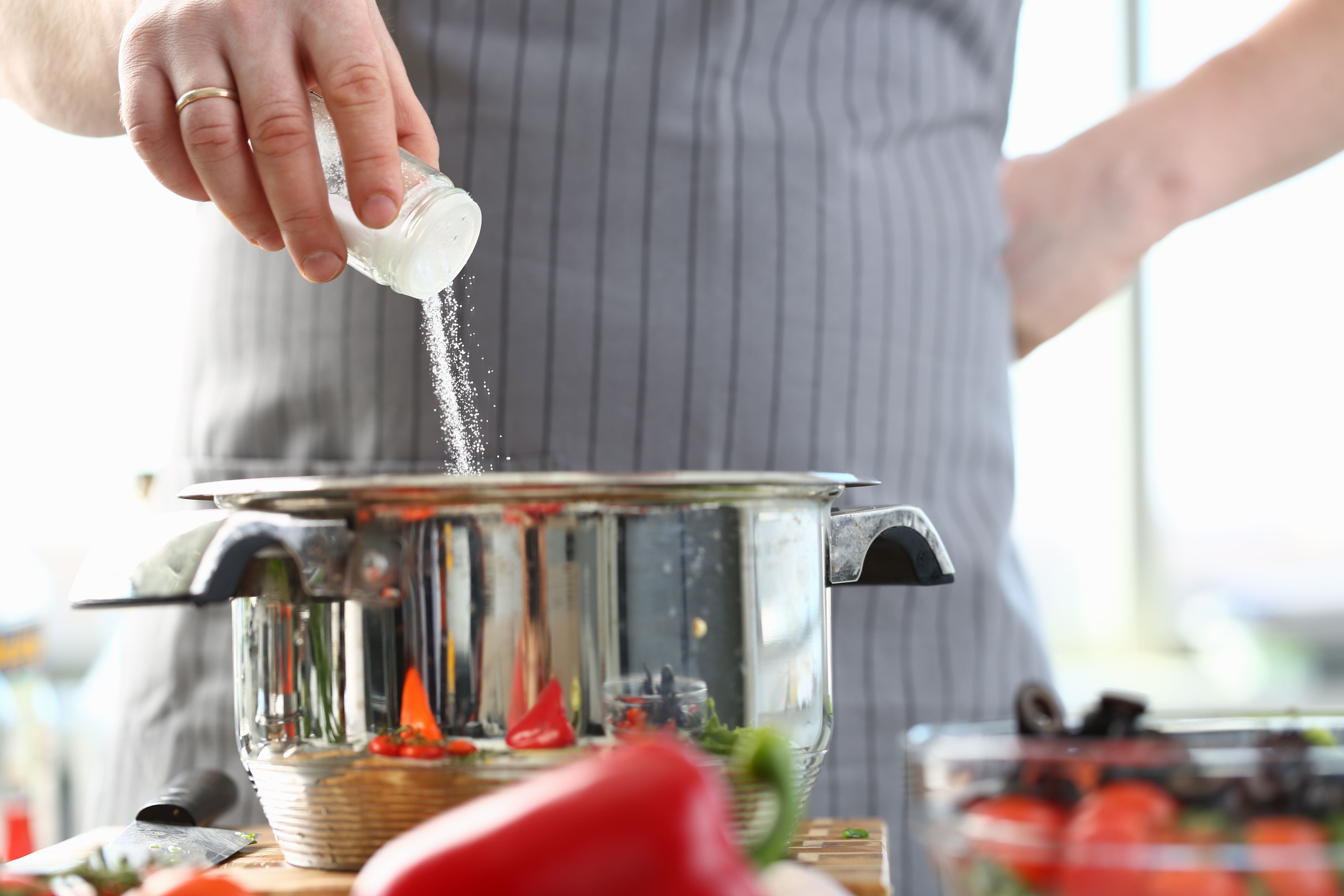
Another common myth is that adding salt to water makes it boil faster. Adding salt actually increases the boiling point, meaning it takes slightly longer for the water to boil. However, the difference is negligible in most cooking situations. Salt is essential for enhancing flavor, but don't expect it to speed up your cooking process.
On the other hand, salting meat well before cooking can improve its texture and flavor. Allowing salt to penetrate the meat helps break down proteins, resulting in a more tender dish. This technique is known as dry brining and is particularly effective for poultry and steaks.
Understanding Pasta Cooking
Many people believe that adding oil to pasta water prevents the noodles from sticking. While oil can help keep the pasta from clumping, it also makes it difficult for sauces to adhere to the noodles. Instead, stir the pasta occasionally while it cooks to prevent sticking.
Additionally, rinsing cooked pasta is unnecessary unless you plan to use it in a cold dish like pasta salad. Rinsing removes the starch that helps sauce cling to the noodles, impacting the overall flavor and texture of the dish.

Eggshells in the Kitchen
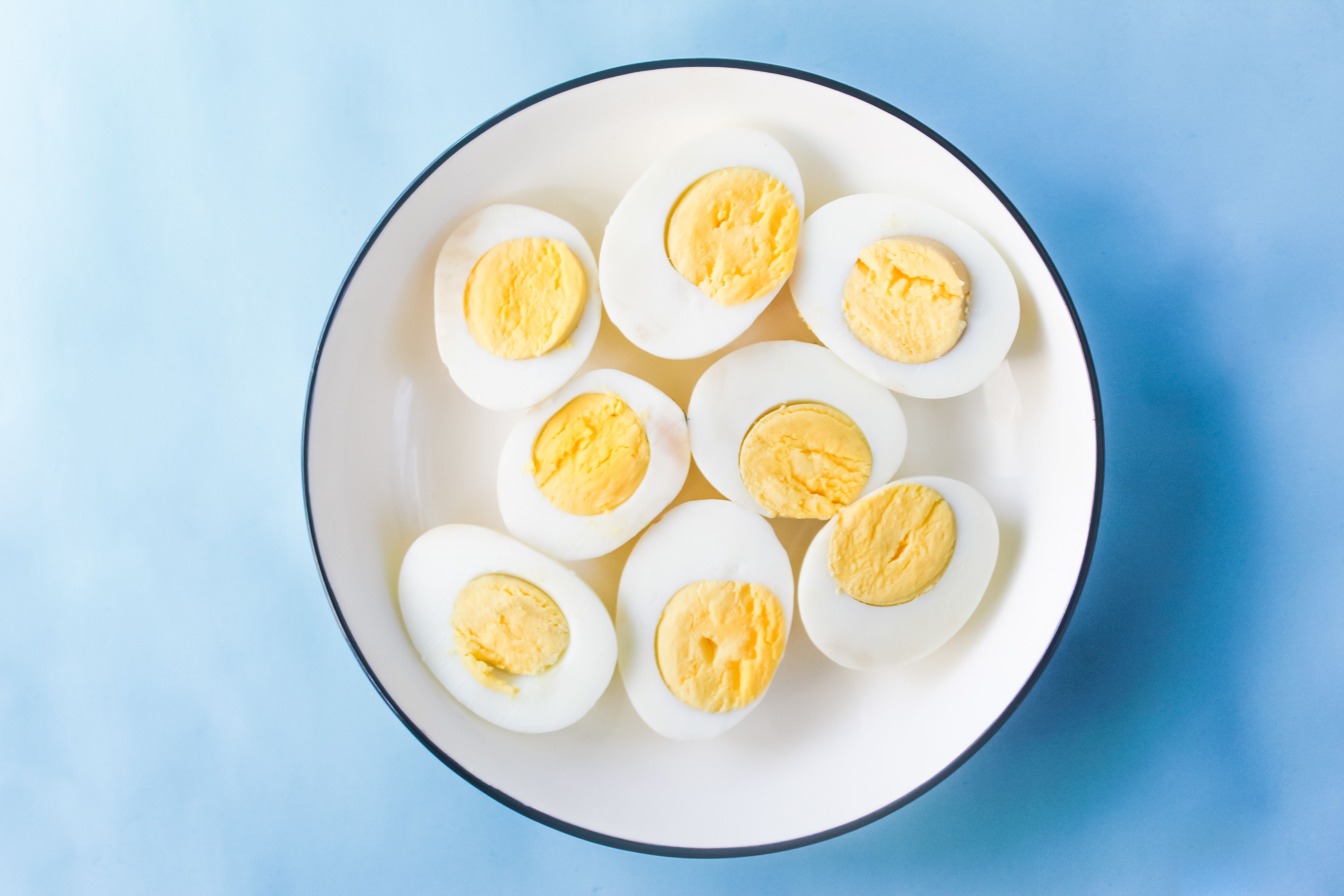
Have you ever heard that adding eggshells to boiling water makes peeling boiled eggs easier? This is more myth than fact. The ease of peeling an egg is more about its freshness. Older eggs tend to peel more easily after boiling due to the pH level differences that develop over time.
To ensure perfectly boiled eggs, start them in cold water and bring them to a gentle simmer. Once cooked, transfer them to an ice bath. This method helps create a clean separation between the egg white and the shell.
Using the Right Cooking Oils
There's a belief that all oils are created equal in cooking, but this is far from true. Different oils have varying smoke points, which can affect the taste and safety of your food. Using olive oil for high-temperature cooking can lead to a burnt flavor, while oils like canola or grapeseed are better suited for high heat.
For dishes where flavor is paramount, such as salad dressings, extra-virgin olive oil is ideal. However, when frying or sautéing, choose an oil with a higher smoke point to maintain a clean taste.
Final Thoughts
Understanding the science and techniques behind cooking can transform your kitchen experience. While myths persist, the truth is often more fascinating and useful. Experiment with these debunked myths and discover what truly works for your culinary creations.